

Can Dogs Eat Watermelon? Safety Tips and Serving Guide
On a hot day, few things are as refreshing as a juicy slice of watermelon, and your dog will probably want a bite too. The good news is that watermelon can be a safe, hydrating and low-calorie treat for dogs. There are just a few parts you should never share. Here is everything you need to know about can dogs eat watermelon, including how much to give and the safest ways to serve it.
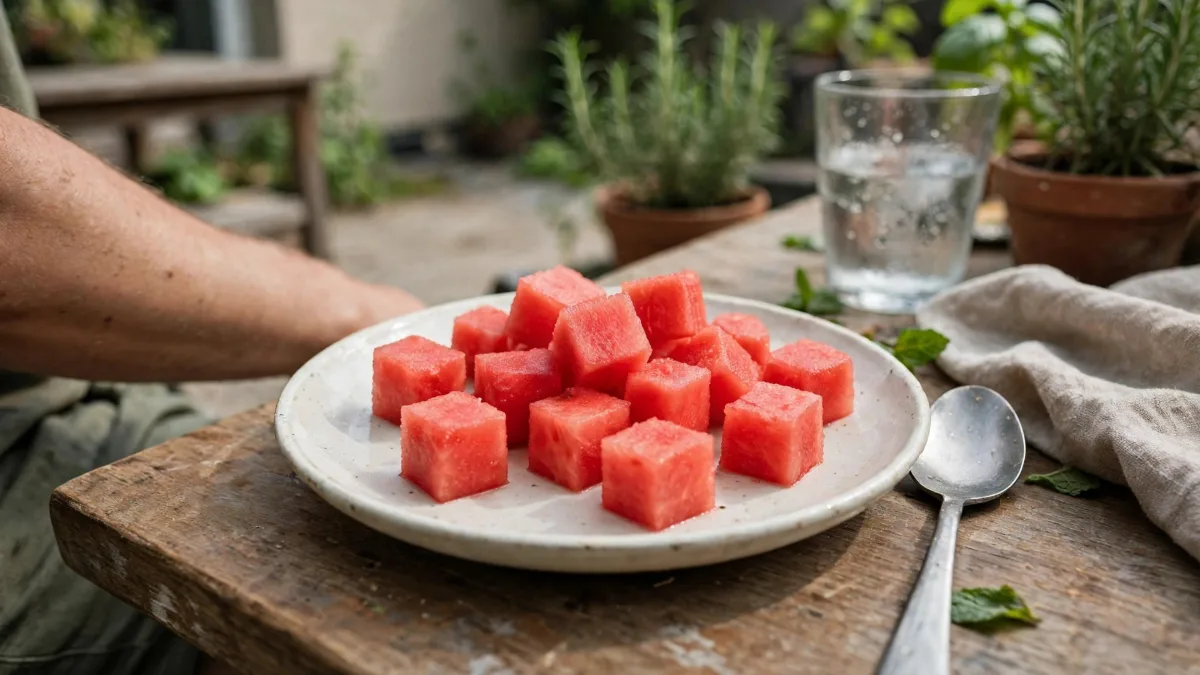
Quick answer: Yes, dogs can eat watermelon in moderation. The juicy red flesh is safe, low in calories and about 92% water, making it a great summer treat. Always remove the seeds and the rind first, cut it into small cubes and keep portions small to avoid an upset stomach. Never give your dog watermelon-flavored candy or products with added sugar or xylitol.
Is Watermelon Good for Dogs?
- Hydration: watermelon is about 92% water, which helps on hot days.
- Low calorie: about 46 calories per cup, much lighter than many dog treats.
- Vitamins: contains vitamins A, B6 and C.
- Antioxidants: rich in lycopene.
- Fat-free and cholesterol-free: a light treat for most dogs.
Parts of Watermelon Dogs Should Not Eat

Seeds
One or two swallowed seeds are unlikely to cause harm, but many seeds can lead to an intestinal blockage, especially in small dogs. Choose seedless watermelon or remove all the black seeds. The pale, soft seeds in seedless watermelon are generally fine.
Rind
The tough green rind is hard to chew and digest. It can cause vomiting, diarrhea or a blockage. Cut the flesh away from the rind and throw the rind out of your dog’s reach.
Sweetened watermelon products
Skip watermelon candy, flavored drinks, sorbets and anything with added sugar or artificial sweeteners. Xylitol is especially dangerous for dogs.
How Much Watermelon Can a Dog Eat?
| Dog size | Suggested amount |
|---|---|
| Extra small (2-10 lb) | 1-2 small cubes |
| Small (11-25 lb) | 2-3 cubes |
| Medium (26-50 lb) | 4-6 cubes |
| Large (51-90 lb) | 6-8 cubes |
| Extra large (91+ lb) | Up to about 1 cup |
Follow the 10% rule: treats, including fruit, should not be more than 10% of your dog’s daily calories. Too much watermelon can cause diarrhea.
How to Serve Watermelon to Your Dog

- Fresh cubes: remove seeds and rind and cut into bite-size pieces.
- Frozen bites: freeze small cubes for a cooling summer treat (smaller pieces for small dogs).
- Pureed and frozen: blend seedless watermelon and freeze it in an ice cube tray or a Kong.
- Mixed treats: combine with other safe fruits like blueberries or strawberries.
Frequently Asked Questions
Can puppies eat watermelon?
Yes, puppies can try small pieces of seedless watermelon. Start with a tiny amount, because their digestive systems are sensitive.
Can dogs eat watermelon rind?
No. The rind is not toxic, but it is hard to digest and can cause stomach upset or an intestinal blockage.
What if my dog ate watermelon seeds?
A few seeds usually pass without problems in medium and large dogs. If your dog ate a lot of seeds or the rind, or shows vomiting, constipation, belly pain or lethargy, call your vet.
Can dogs with diabetes eat watermelon?
Watermelon contains natural sugar, so ask your veterinarian before giving it to a dog with diabetes or one on a special diet.
What other fruits are safe for dogs?
Apples, bananas, blueberries and strawberries are popular safe choices. Read our guides on can dogs eat apples and can dogs eat bananas. Never give grapes or raisins.
The Bottom Line
Can dogs eat watermelon? Yes. Seedless, rind-free watermelon is a hydrating, low-calorie treat that most dogs love, especially in summer. Keep portions small, skip the seeds and rind, and always provide fresh water too.
This article is for general information and does not replace advice from your veterinarian. If your dog shows signs of illness after eating any food, contact your vet.


