

How Long Do Cats Live? Average Lifespan and Tips
If you share your home with a cat, you have probably wondered how many years you will get together. The answer is better than many people expect. Cats today live longer than ever, and a lot of that comes down to choices owners make every day.
Below you will find the average cat lifespan, how indoor and outdoor life changes it, how long popular breeds live, how to convert cat years to human years and practical ways to help your cat live a long, healthy life. We also answer the questions cat owners ask most on Reddit and Google.
Quick answer: Most cats live about 12 to 15 years, and many reach their late teens or even 20. Indoor cats usually live 13 to 17 years, while cats that live fully outdoors often live only 2 to 5 years because of traffic, fights, disease and predators. Genetics, breed, diet, weight, spaying or neutering and regular vet care all affect how long a cat lives.
Average Cat Lifespan
According to Chewy’s vet-reviewed guide, a 2023 study put the average cat lifespan at about 12 years, up from roughly 7 years in a study from 1984. Better nutrition, vaccines and more cats living indoors are big reasons for the jump. Plenty of cats live well beyond the average. The oldest cat on record, a tabby mix named Creme Puff, lived to 38.
How Long Do Indoor Cats Live vs. Outdoor Cats?
| Lifestyle | Typical lifespan | Main risks |
|---|---|---|
| Indoor only | 13 to 17 years | Weight gain, boredom |
| Indoor with supervised outdoor time | In between | Some exposure to parasites and hazards |
| Outdoor only | 2 to 5 years | Cars, fights, predators, disease, weather |
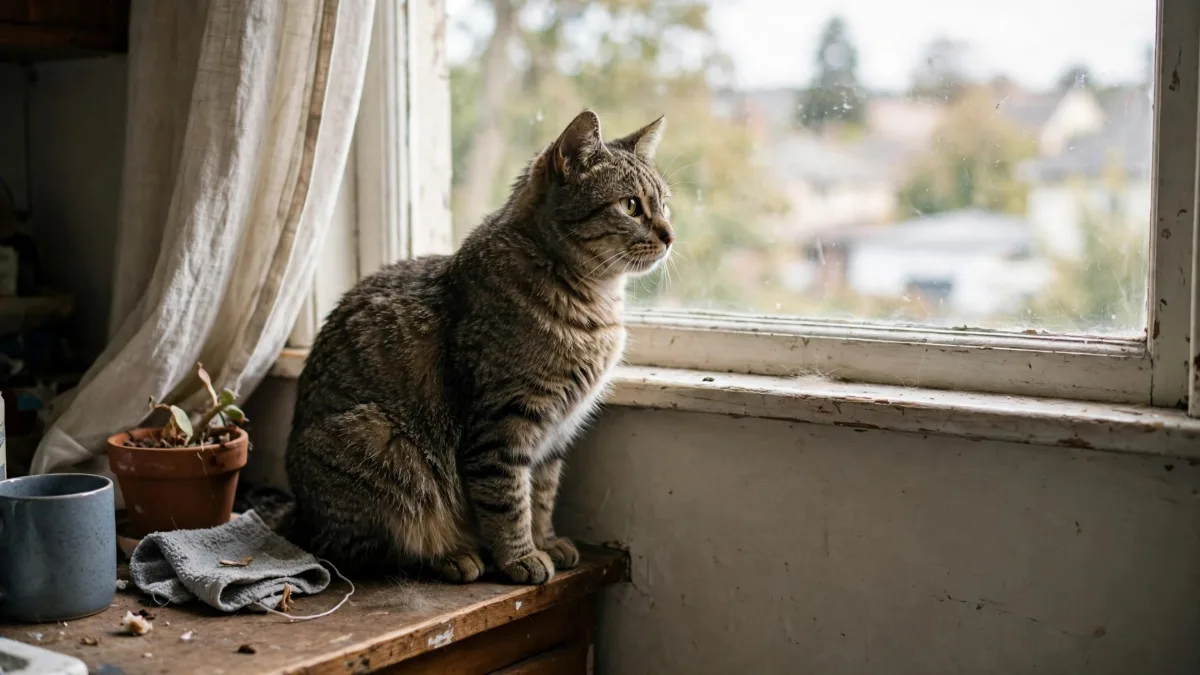
Indoor cats live longer mainly because they avoid traffic, fights with other animals, infectious diseases, poisons and extreme weather. The tradeoff is that indoor cats need more play and enrichment to stay fit and happy. Many owners on Reddit say a catio, window perch or harness walks give their cats a taste of outdoor life without the risks.
How Long Do Different Cat Breeds Live?
| Breed | Typical lifespan |
|---|---|
| Mixed breed (domestic shorthair) | 12 to 18 years |
| Siamese | 15 to 20 years |
| Burmese | 15 to 20 years |
| Persian | 12 to 17 years |
| Tabby (a coat pattern, not a breed) | Same as any domestic cat, about 12 to 18 years |
| Maine Coon | 10 to 13 years |
| Devon Rex | 9 to 15 years |
“How long do tabby cats live” is a very common search. Tabby is a coat pattern found in many breeds, so a tabby’s lifespan depends on its breed and health, not its stripes. Mixed-breed cats often live as long as or longer than purebreds, since they are less likely to inherit breed-specific health problems.
Cat Years to Human Years
A simple rule many vets use: a cat’s first year equals about 15 human years, the second year adds about 9 more (so a 2-year-old cat is about 24), and each year after that adds about 4.
| Cat age | Human equivalent |
|---|---|
| 1 year | 15 |
| 2 years | 24 |
| 5 years | 36 |
| 10 years | 56 |
| 15 years | 76 |
| 20 years | 96 |
Cat Life Stages
The 2021 AAHA/AAFP Feline Life Stage Guidelines group cats into these stages:
- Kitten: Birth to 1 year
- Young adult: 1 to 6 years
- Mature adult: 7 to 10 years
- Senior: Over 10 years
- End of life: Any age, when health is declining

How to Help Your Cat Live Longer
- Keep your cat indoors or give safe, supervised outdoor time.
- Schedule regular vet checkups. Yearly for adults, and every 6 months for seniors is often recommended.
- Keep vaccines and parasite prevention up to date.
- Spay or neuter. It lowers the risk of some cancers and roaming.
- Watch their weight. Obesity raises the risk of diabetes, arthritis and other problems.
- Encourage water intake with wet food or a water fountain to support kidney health.
- Care for their teeth. Dental disease is very common in cats.
- Play every day. Around 30 minutes of interactive play keeps them fit and mentally sharp.
- Keep stress low with a calm routine, scratching posts, hiding spots and vertical space.

Signs Your Cat Is Getting Older
- Sleeping more and playing less
- Stiffness or trouble jumping
- Weight loss or weight gain
- Changes in appetite or thirst
- More vocal at night or seeming confused
- Changes in litter box habits
Any sudden change is worth a vet visit. Many conditions common in older cats, such as kidney disease, thyroid problems and arthritis, can be managed well when caught early.
Curious about other cat behaviors? Read why cats purr and why cats knead.
Frequently Asked Questions
Is 15 old for a cat?
Yes, 15 is a senior cat, roughly like a person in their mid-70s. But many cats stay active and healthy well into their late teens.
Do male or female cats live longer?
Studies suggest female cats live slightly longer on average, though spaying or neutering and overall care matter far more than sex.
How long do Maine Coon cats live?
Usually about 10 to 13 years, a bit shorter than many other cats, partly because of breed-related heart and joint issues.
Can a cat live 25 years?
It is rare but possible. Cats that reach 25 usually have good genes, live indoors and get consistent care.
The Bottom Line
Most cats live 12 to 15 years, and indoor cats often reach their late teens. Keeping your cat indoors, at a healthy weight and up to date on vet care are the simplest ways to give them more healthy years with you.
This article is for general information and does not replace advice from your veterinarian.