
What Do Turtles Eat? A Complete Feeding Guide
Turtles look low maintenance, but feeding them the right way takes a little more thought than dropping in a handful of pellets. Poor diet is one of the most common reasons pet turtles get sick, leading to soft shells, eye and skin problems and stunted growth.
This guide explains what turtles eat in the wild and as pets, how diets change with age and species, how often to feed, foods to avoid and the questions turtle owners ask most on Reddit and Google, including what box turtles, sea turtles and baby turtles eat.
Quick answer: Most pet turtles, like red-eared sliders, are omnivores. They eat a mix of commercial turtle pellets, dark leafy greens such as romaine, collards and dandelion greens, and animal protein like earthworms, insects, snails and shrimp. Young turtles need more protein and should eat daily, while adults eat more plants and are usually fed every 2 to 3 days. Avoid raw grocery meat, processed human food and iceberg lettuce.
What Do Turtles Eat in the Wild?
Wild turtles eat whatever their habitat offers. Pond turtles eat aquatic plants, algae, insects, snails, worms, small fish and carrion. Box turtles forage on land for berries, mushrooms, worms, slugs and insects. Diets vary a lot between species, so it helps to know exactly which turtle you have.
What to Feed a Pet Turtle
According to VCA Animal Hospitals, animal protein should make up no more than about two-thirds of a young turtle’s diet and roughly half of an adult’s. The rest should come mostly from plants.
Commercial turtle pellets
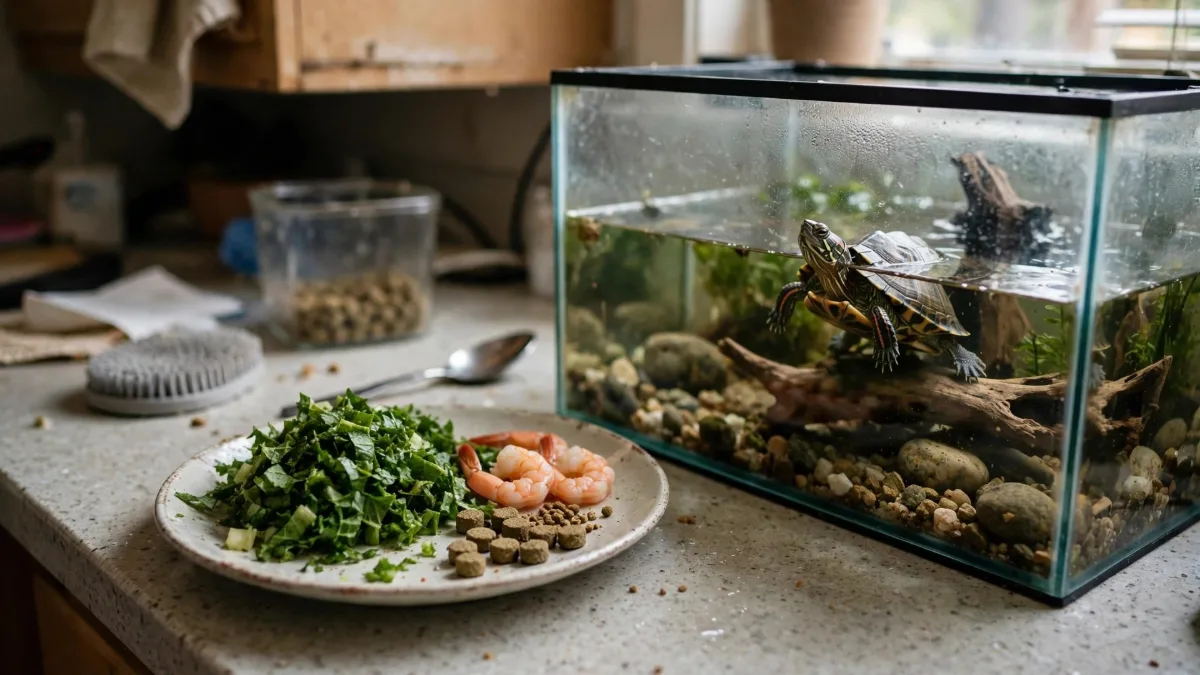
A high-quality pellet made for aquatic turtles is the easiest way to cover the basics. Do not rely on pellets alone, but use them as a steady base.
Leafy greens and vegetables
- Romaine lettuce (not iceberg)
- Collard, mustard and turnip greens
- Dandelion greens
- Aquatic plants like duckweed, water lettuce or anacharis
- Small amounts of red bell pepper, squash or carrot
Animal protein
- Earthworms and nightcrawlers
- Crickets, mealworms and other insects from a pet store
- Snails
- Cooked or freeze-dried shrimp
- Occasional feeder fish from a reliable source
Fruit as a treat
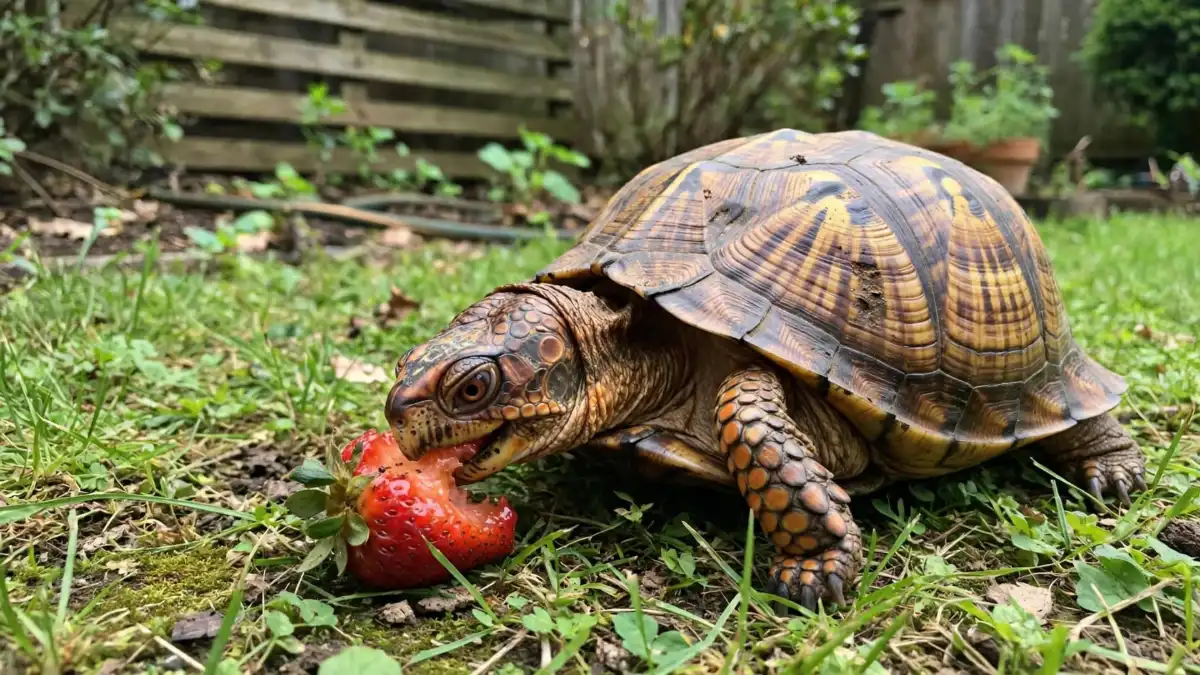
Strawberries, blueberries, melon and banana are fine in small amounts, especially for box turtles. For aquatic turtles, keep fruit to an occasional treat.

What Do Different Turtles Eat?
| Turtle | Main diet |
|---|---|
| Red-eared slider | Omnivore: pellets, greens, insects, worms |
| Box turtle | Omnivore: worms, insects, berries, greens, mushrooms |
| Baby turtles | Mostly protein: pellets, insects, worms, plus some greens |
| Snapping turtle | Mainly meat: fish, insects, frogs, plus some plants |
| Sea turtles (wild) | Depends on species: green turtles eat seagrass and algae, leatherbacks eat jellyfish |
Sea turtles are wild animals, not pets, but “what do sea turtles eat” is one of the most common turtle questions. Green sea turtles become mostly herbivores as adults, while loggerheads crunch crabs and shellfish and leatherbacks live on jellyfish.
How Often to Feed a Turtle
- Hatchlings and juveniles: Once a day.
- Adults: A good-sized meal every 2 to 3 days, which VCA notes is typical for adult aquatic turtles.
- Portion size: A common rule is about as much food as would fit in the turtle’s head (not counting greens). Remove uneaten food after 15 to 20 minutes.
Foods Turtles Should Not Eat
- Raw meat, chicken or fish from the grocery store
- Processed foods like bread, hot dogs and lunch meat
- Iceberg lettuce, which has very little nutrition
- Dairy products
- Oily fish like mackerel
- Wild-caught fish or frogs, which can carry parasites
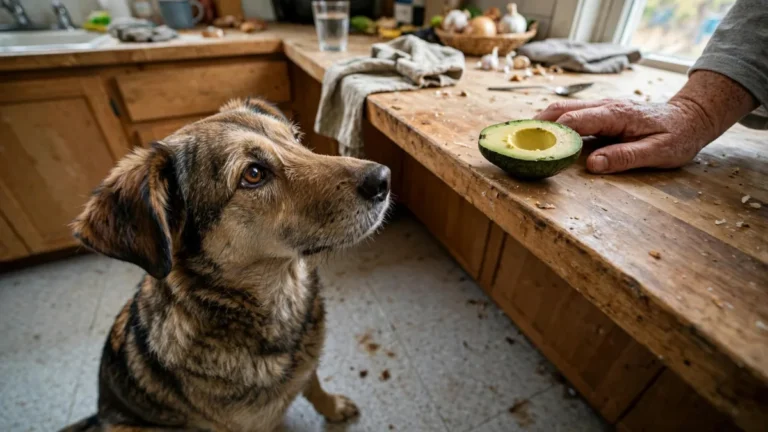
- Chocolate, avocado and salty or sugary foods
Calcium and Vitamins
Turtles need calcium for strong shells and bones. Many vets suggest a cuttlebone or calcium supplement a few times a week and a reptile multivitamin about once a week. Aquatic turtles also need UVB lighting to use calcium properly.
Feeding Tips From Turtle Owners
- Aquatic turtles swallow underwater, so feed them in the water.
- Some owners use a separate feeding tub to keep the main tank cleaner.
- Turtles will beg even when full. Stick to a schedule to avoid obesity.
- Wash your hands after feeding or handling turtles, since they can carry Salmonella.
Thinking about other small pets? Read how long hamsters live and how long guinea pigs live. Cat owners may like how long cats live.
Frequently Asked Questions
Can turtles eat fish food?
Fish flakes are not a complete diet for turtles. Use pellets made for turtles instead.
How long can a turtle go without eating?
Healthy adults can go days to weeks, especially in cooler temperatures, but a turtle that stops eating should be checked by a reptile vet.
Can turtles eat bananas or strawberries?
Yes, as small occasional treats.
Why is my turtle not eating?
Common causes include water that is too cold, stress, a new environment or illness. Check tank temperature and lighting first.
The Bottom Line
Pet turtles do best on a mix of quality pellets, dark leafy greens and some animal protein, with more protein when young and more plants as adults. Feed juveniles daily and adults every few days, add calcium, and skip processed and raw grocery foods.
This article is for general information. Diets vary by species, so ask a reptile veterinarian about your specific turtle.