Can Dogs Eat Broccoli? Raw, Cooked, Stems and How Much
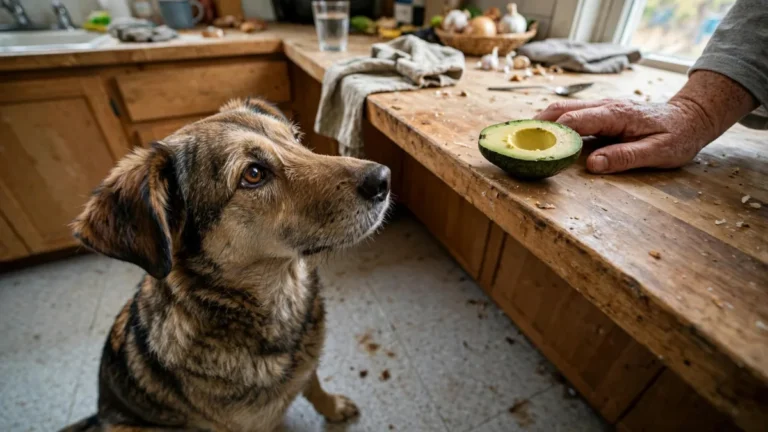
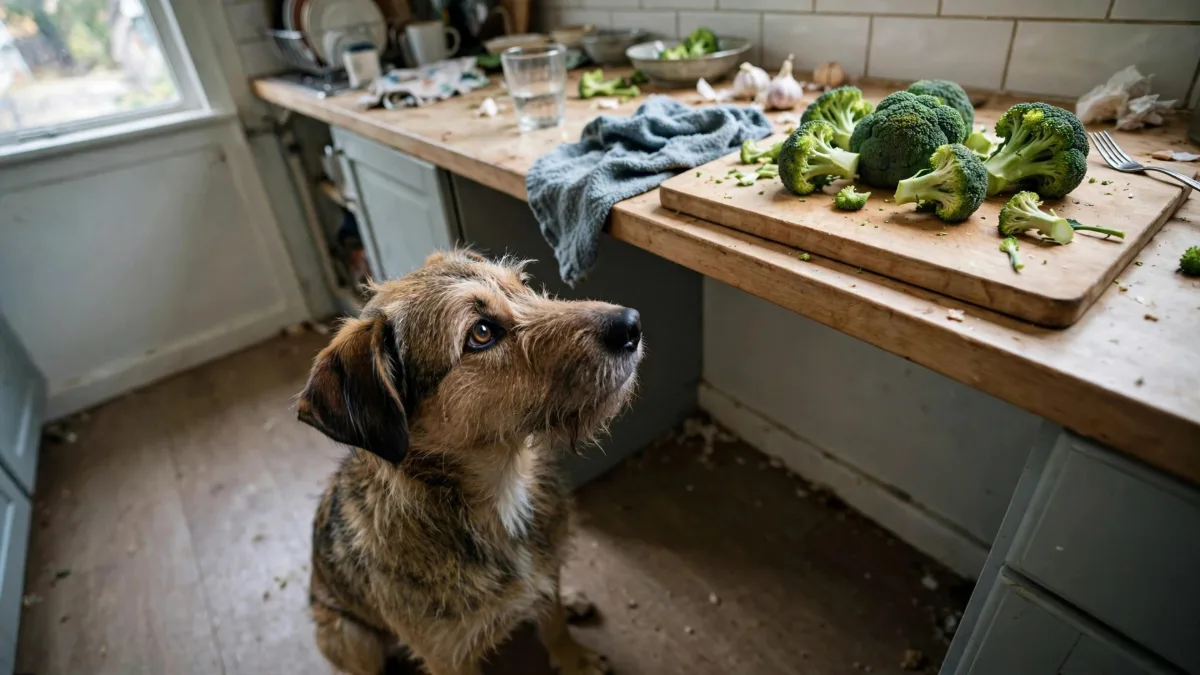
If your dog sits by your feet every time you chop vegetables, you have probably wondered whether a piece of broccoli is okay to toss down. It is. Broccoli is one of the vegetables most vets are comfortable with, as long as the portion is small and the broccoli is plain. There are a couple of things to watch, though, mainly the amount and the size of the pieces. Here is what you need to know about can dogs eat broccoli, including raw vs. cooked, the stems and how much is too much.
Quick answer: Yes, dogs can eat broccoli. Plain broccoli, raw or steamed, is safe for most dogs as an occasional treat. Cut it into small pieces to prevent choking and keep it to less than 10% of your dog’s daily food. Broccoli contains natural compounds called isothiocyanates that can upset the stomach in large amounts, so start with one or two florets and never add butter, oil, salt, garlic or onion.
Is Broccoli Good for Dogs?
In small amounts, it can be a nice low-calorie snack. One cup of chopped broccoli has only about 30 calories, so it works well for dogs that need to watch their weight. Here is what it offers:
- Fiber: helps keep digestion regular and can help a dog feel full.
- Low fat and low calorie: a lighter swap for store-bought treats.
- Vitamin C and vitamin K: though dogs make their own vitamin C, so this is a bonus rather than a need.
- Crunch: many dogs simply enjoy chewing raw florets.
Broccoli should never replace your dog’s regular food. A complete, balanced dog food already covers what your dog needs, and veggies are just an extra.

Risks of Feeding Broccoli to Dogs

Isothiocyanates in the florets
Broccoli florets contain isothiocyanates, natural compounds that can irritate a dog’s stomach. A few florets are not a problem for most dogs, but a big serving can lead to gas, bloating, diarrhea or a poor appetite. According to Agria Pet Insurance, broccoli should stay under 10% of a dog’s daily food, and amounts around 25% can be harmful.
Choking on stems and big pieces
Broccoli stems and large florets are firm and fibrous. Small dogs and dogs that gulp their food can choke on them or get a piece stuck. Cut everything into bite-size pieces, and chop stems finely or skip them for small breeds.
Seasonings and cooking fat
The broccoli on your dinner plate is often cooked with butter, oil, salt, garlic or cheese. Salt in large amounts is bad for dogs, garlic and onion are toxic to them, and rich sauces can upset their stomach. Only share broccoli that is completely plain.
Raw vs. Cooked Broccoli: Which Is Better?
| Type | Safe? | Notes |
|---|---|---|
| Raw broccoli | Yes | Crunchy and fine for most dogs; cut small to prevent choking |
| Steamed or boiled broccoli | Yes | Softer, easier to digest; a good choice for small or older dogs |
| Roasted with oil or seasoning | No | Oil, salt and garlic are the problem, not the broccoli |
| Frozen broccoli | Yes | Thaw or steam it first so it is not rock hard |
| Broccoli with cheese sauce or in casseroles | No | Too rich and often contains onion or garlic |
Steaming is the easiest middle ground. As Hepper’s vet-reviewed guide notes, raw or cooked is fine as long as nothing is added to it.
Can Dogs Eat Broccoli Stems?
Yes, the stems are not toxic, but they are tough. For medium and large dogs, slice stems into thin coins or small cubes. For small dogs, steam the stems until soft or skip them. Never give a whole stalk to chew on.
How Much Broccoli Can a Dog Eat?
Think of broccoli as a treat. These amounts are a sensible starting point for a healthy adult dog, a few times a week:
| Dog size | Example breeds | Amount |
|---|---|---|
| Extra small (under 10 lb) | Chihuahua, Yorkie | 1 small floret, chopped |
| Small (10-25 lb) | Beagle, Shih Tzu | 1-2 florets |
| Medium (25-50 lb) | Border Collie, Cocker Spaniel | 2-4 florets |
| Large (50-90 lb) | Labrador, Golden Retriever | 4-6 florets |
| Extra large (90+ lb) | Great Dane, Mastiff | About 1/2 cup chopped |
If you notice gas, soft stool or vomiting, cut back or stop. Every dog’s stomach is a little different.
How to Serve Broccoli to Your Dog
- Wash the broccoli well.
- Cut the florets into bite-size pieces and chop or remove the stems.
- Steam for a few minutes until slightly soft, or serve raw if your dog chews well.
- Let it cool completely.
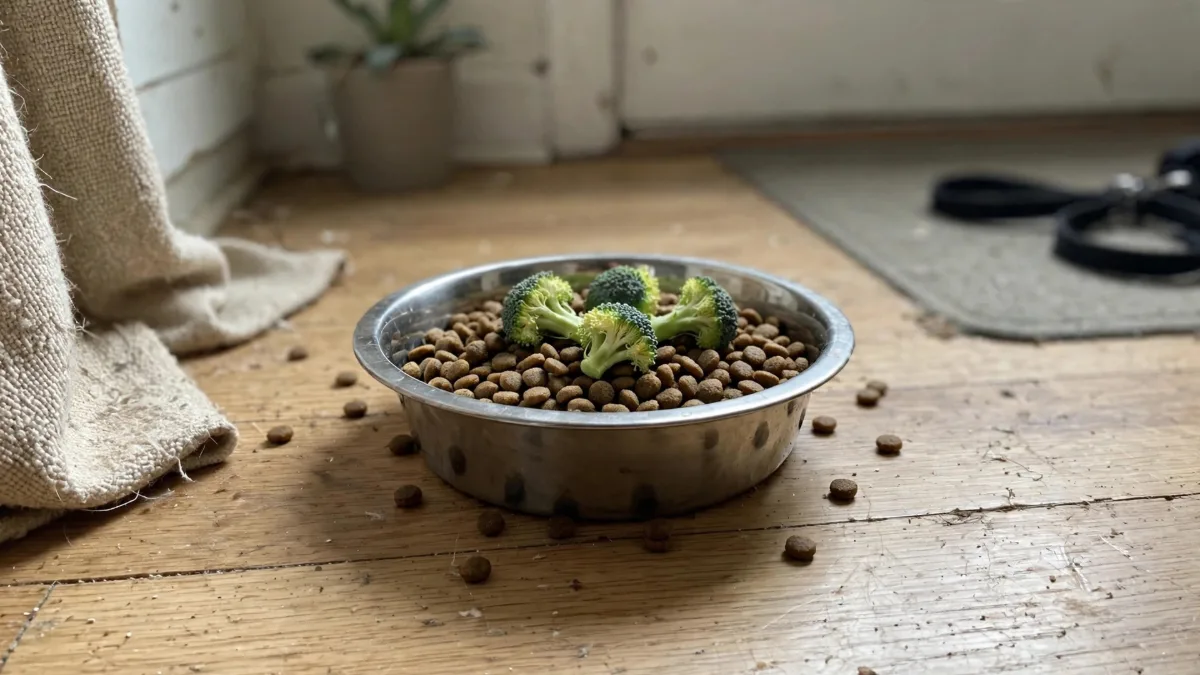
- Offer one or two pieces as a treat or mix a few into your dog’s bowl.
Can Dogs Eat Broccoli and Cauliflower?
Yes. Cauliflower is a close cousin of broccoli and is also safe in small, plain portions. Both can cause gas, so do not give large amounts of either, and avoid feeding them together in big servings.
Frequently Asked Questions
Can puppies eat broccoli?
Puppies can try a tiny piece of steamed broccoli, but their stomachs are sensitive. Keep it very small and focus on a complete puppy food.
Can dogs have broccoli every day?
A floret or two a day is usually fine for a healthy dog, but it is better as an occasional treat than a daily habit.
Is broccoli bad for dogs with health problems?
Dogs with thyroid issues, kidney disease or a sensitive stomach may do better without it. Ask your vet first.
What other vegetables can dogs eat?
Plain carrots, green beans, cucumber and pumpkin are popular choices. For fruit, see our guides on blueberries, apples and watermelon.
The Bottom Line
So, can dogs eat broccoli? Yes. A few plain florets, raw or steamed and cut small, make a healthy low-calorie snack for most dogs. Keep it under 10% of what your dog eats in a day, chop the stems, skip the seasonings and stop if you see an upset stomach.
This article is for general information and does not replace advice from your veterinarian. If your dog shows signs of illness after eating any food, contact your vet.